CONDITION MONITORING & ASSET RELIABILITY

Understand
your assets.
Stay ahead.

Advanced diagnostics. Precision maintenance. Practical decisions that keep your critical equipment moving.

Pacific Roots. Reliability Ahead.

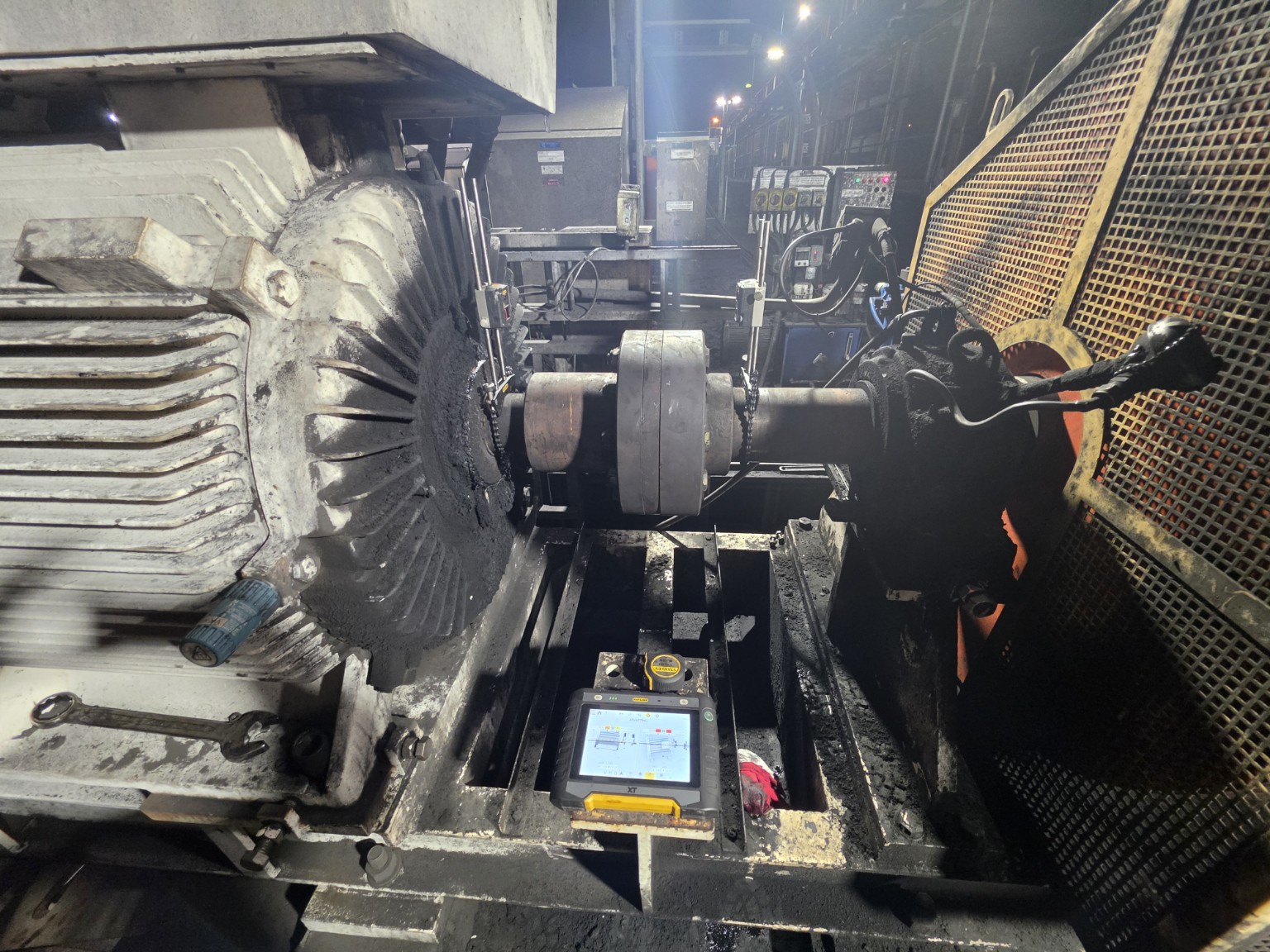
Laser alignment measurement on an industrial motor and drive coupling
PRECISION IN THE FIELDSHAFT ALIGNMENT / ROTATING EQUIPMENT
FROM SIGNAL TO INSIGHTVIBRATION ANALYSIS
Illustrative vibration spectrum showing running-speed harmonics. No client data or diagnostic conclusion.1×2×3×
ILLUSTRATIVE SPECTRUM · NOT SITE DATAMEASURE → INTERPRET → ACT
IV

Category IV vibration analysisAdvanced technical expertise

↗

Diagnosis to corrective actionFieldwork, reporting and verification

◎

Australia & the PacificIndustrial experience. Pacific roots.

01 / THE PRS APPROACH

Measure precisely.
Interpret intelligently.

Good data is the starting point. We connect equipment condition, operating context and maintenance history to a practical next step.

From the first measurement to post-maintenance verification, each stage has an agreed scope and a clear output.

DIAGNOSE / MACHINERY CONDITION & FAULT INVESTIGATIONPRS / TECHNICAL APPROACH
Illustrative motor, coupling and pump arrangementSelected measurement locations are shown on motor and pump bearing housings. Final locations and directions depend on the machine and site access.NDEDEDEMOTORCOUPLINGPUMP
ILLUSTRATIVE ASSET ARRANGEMENTMEASUREMENT POINTS / H · V · A*

Understand the fault. Build the evidence.

PRS connects vibration data with operating conditions, inspection findings and maintenance history to investigate developing faults and recurring problems. The assessment explains what the evidence supports, what remains uncertain and what to do next.

Vibration spectraTime waveformsCondition trendsSupporting inspections

HOW WE APPROACH THE WORK

  1. 01

    Establish the operating context

    Confirm asset identity, speed, load, machine configuration and recent maintenance before interpreting the measurements.

  2. 02

    Analyse the vibration evidence

    Review spectra, time waveforms and repeatable trends for fault indications, considering the measurement location and direction.

  3. 03

    Correlate the findings

    Bring in thermal images, ultrasound, lubrication results or motion amplification where relevant to the investigation and agreed scope.

  4. 04

    Define the maintenance response

    Explain the likely issue, evidence and uncertainty. Recommend corrective work or further checks, with a clear basis for follow-up.

TECHNICAL FOCUS

Bearing condition, imbalance, misalignment, mechanical looseness and abnormal equipment behaviour.

WHAT YOU RECEIVE

An asset-level finding supported by measurements, a maintenance priority and a defined follow-up action.

TYPICAL APPLICATIONS

Abnormal vibration · recurring faults · baseline assessments · pre-shutdown investigations

*Horizontal, vertical and axial measurements where appropriate and accessible. The equipment arrangement is illustrative; methods and findings depend on the agreed scope and available evidence.

02 / TECHNICAL SERVICES

One partner.
A complete reliability toolkit.

From fault investigation to precision maintenance and ongoing monitoring. Explore the methods, example applications and deliverables behind each PRS service.

13 SERVICE PROFILES Open a service to explore its technical scope and a practical application.

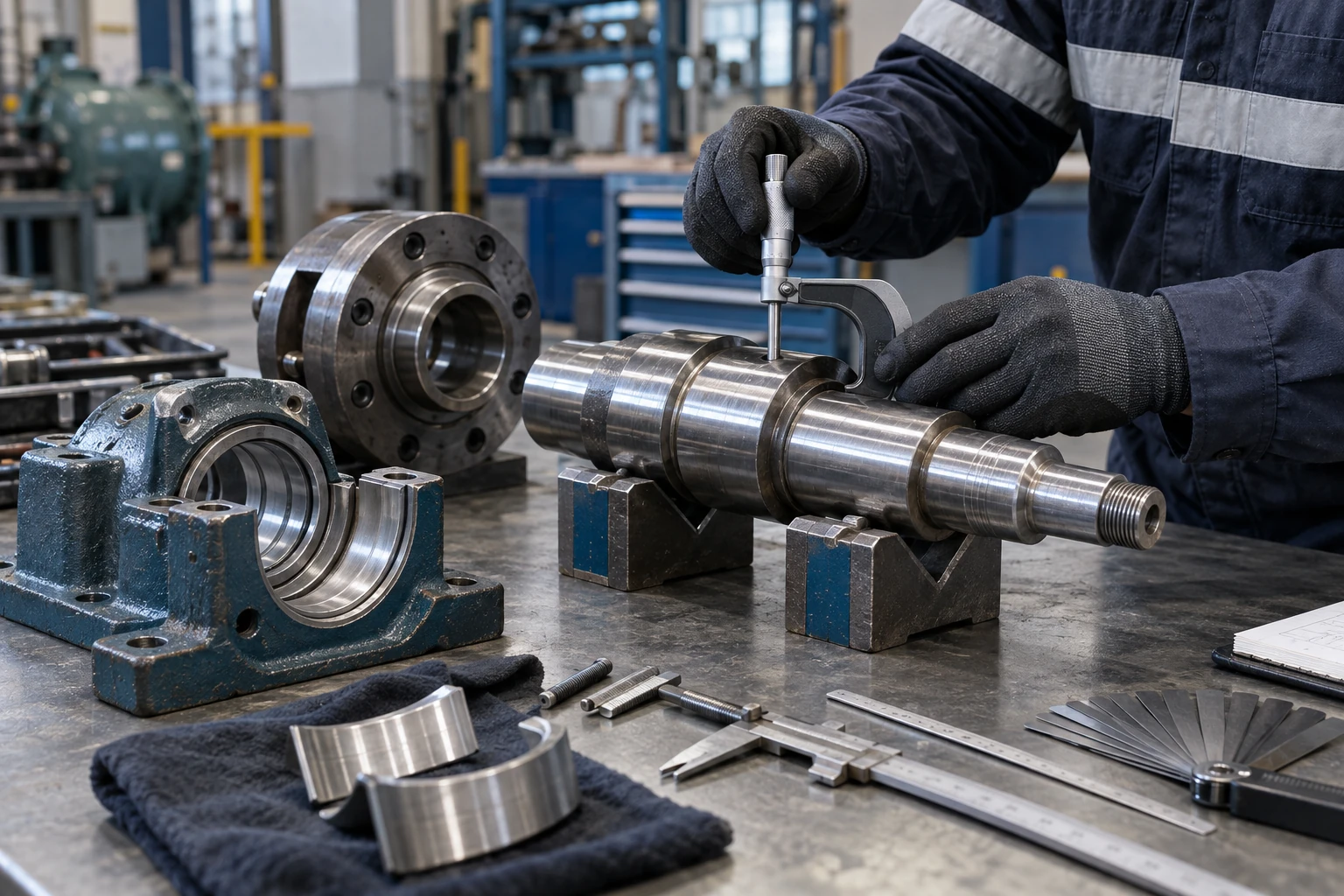
04Mechanical Fitting WorksTrade capability supported by dimensional checks, precision assembly and post-maintenance verification.
Illustrative mechanical fitter measuring a shaft journal beside a bearing housing
ILLUSTRATIVE SERVICE IMAGE
TYPICAL ASSETS & APPLICATIONS

Bearings · Couplings · Pumps · Drive assemblies

PRS provides mechanical fitting for component replacement, equipment installation and planned maintenance. Work is supported by Certificate III training in Mechanical Engineering – Fitting and Machining, with the scope defined around the machine, drawings and site requirements.

Technical scope & method

  • Dismantle and inspect

    Record the starting condition, component identification and orientation. Inspect shafts, housings, keys, coupling elements, seals and mounting interfaces for wear or damage.

  • Measure and assemble

    Check relevant shaft and housing dimensions, fits and clearances against the applicable drawing or OEM requirement. Confirm bearing arrangement, component condition and the specified assembly method.

  • Complete and verify

    Record replacement components and relevant assembly checks. Confirm alignment, lubrication and guards before the agreed return-to-service checks.

ILLUSTRATIVE APPLICATION

Bearing replacement on a process fan

A condition assessment indicates a bearing requires replacement. Replacing the bearing alone may leave the initiating cause unresolved.

Assessment. Inspect the bearing seat, housing, sealing and lubrication condition during the changeout. Compare fit and clearance findings with the specified requirements, then reassemble and check the complete drive arrangement.

Verification. Review operating vibration and temperature after return to service and record any remaining abnormal behaviour.

What you receive

Work-completion record, inspection findings, relevant dimensional checks, replaced components and post-maintenance verification. Machining requirements are identified and separately scoped where needed.

Discuss this service
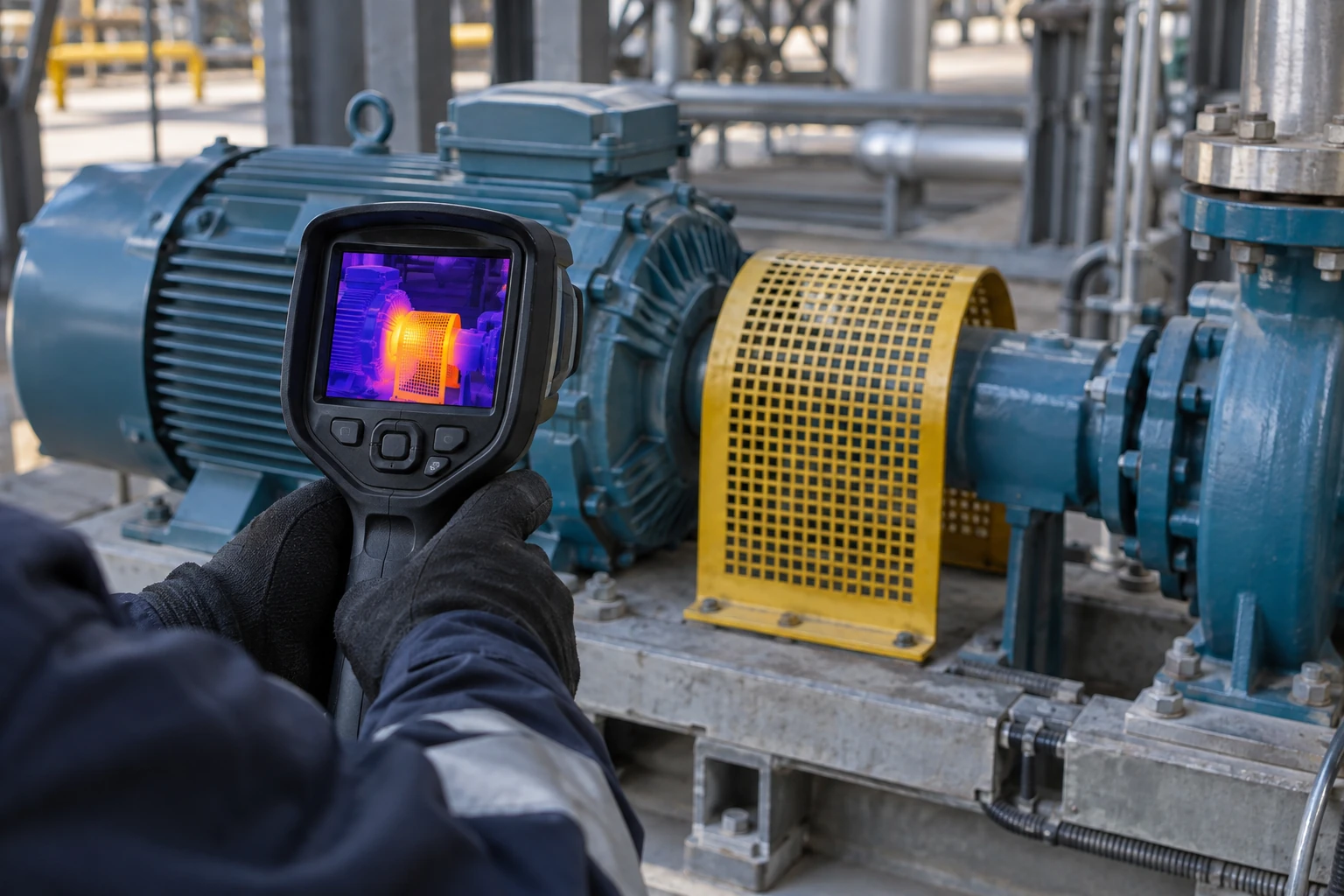
05Infrared ThermographyInterpret thermal patterns in the context of loading, surface behaviour and comparable equipment.
Illustrative thermal camera surveying an industrial motor and pump
ILLUSTRATIVE SERVICE IMAGE
TYPICAL ASSETS & APPLICATIONS

Bearings · Motors · Drives · Electrical assets

PRS uses infrared thermography to investigate abnormal surface-temperature patterns on mechanical and electrical assets. A thermal image shows apparent surface temperature; interpretation depends on emissivity, reflected radiation, viewing angle and operating conditions.

Technical scope & method

  • Repeatable inspection

    Record asset identity, location, load where available and environmental conditions. Use a suitable field of view and retain matched thermal and visible images.

  • Comparison and interpretation

    Compare equivalent components under similar duty, and assess temperature differences against a relevant reference. Consider shiny surfaces, reflections and obscured components before assigning significance.

  • Targeted follow-up

    Correlate a thermal anomaly with vibration, lubrication condition or authorised electrical assessment. Electrical surveys follow the site’s electrical access arrangements.

ILLUSTRATIVE APPLICATION

An elevated bearing-housing temperature

One bearing housing on a process pump appears hotter than its previous survey under comparable load.

Assessment. Confirm that the apparent change is not a reflection or a change in surface condition. Review temperature history, lubricant condition and vibration evidence before recommending inspection of the bearing or lubrication system.

Verification. Repeat the thermal survey after corrective work using a comparable view and operating condition.

What you receive

Paired thermal and visual images, inspection conditions, temperature comparisons, interpretation and prioritised actions. The report distinguishes the observed hot area from its suspected cause.

Discuss this service
06Ultrasonic InspectionLocate leakage and assess friction or impact activity beyond the normal audible range.
Illustrative ultrasonic inspection of a compressed-air pipe connection
ILLUSTRATIVE SERVICE IMAGE
TYPICAL ASSETS & APPLICATIONS

Compressed air · Bearings · Lubrication routes

PRS uses airborne and structure-borne ultrasound for targeted inspections. Turbulent leakage, friction and impacting can generate ultrasonic activity; the probe type and measurement method must match the application.

Technical scope & method

  • Leak surveys

    Scan compressed-air systems, localise the suspected source and identify the fitting or component for repair. Record location, access and operating condition for a repeat visit.

  • Bearing assessment

    Collect repeatable readings at consistent points using comparable instrument settings. Assess sound character and trend against an established baseline alongside speed, load and lubrication history.

  • Lubrication support

    Use a change in ultrasonic response to inform lubrication checks within the approved lubrication procedure. Elevated activity can have several causes and is not, by itself, an instruction to add grease.

ILLUSTRATIVE APPLICATION

A compressed-air leak at a process manifold

Background plant noise makes a suspected leak difficult to locate by ear.

Assessment. Use the airborne probe to narrow the source, verify the suspect connection from a suitable position and tag the location for maintenance. Keep leak detection separate from any estimated leakage rate or cost calculation.

Verification. Resurvey the repaired connection under comparable pressure and record whether the leak remains detectable.

What you receive

Tagged defect register, asset and location details, available readings or sound records, repair priorities and verification status. Any quantified loss estimate states its assumptions and method.

Discuss this service
07Lubrication & Oil Analysis SupportConnect lubricant condition, contamination and wear trends to the condition of the machine.
Illustrative gearbox oil-sampling equipment and a capped oil sample
ILLUSTRATIVE SERVICE IMAGE
TYPICAL ASSETS & APPLICATIONS

Gearboxes · Circulating-oil systems · Greased bearings

PRS supports representative sampling, lubrication-task reviews and interpretation of laboratory results. Useful oil analysis relies on consistent sampling and trend history, with the selected test suite matched to the lubricant, machine and likely failure modes.

Technical scope & method

  • Sample integrity

    Confirm the lubricant, sample point, operating state, oil hours and recent top-ups or changes. Use clean sampling equipment and an identified bottle to reduce avoidable contamination.

  • Result interpretation

    Review viscosity at the specified test temperature, water, particle contamination and wear indicators where included in the laboratory suite. Relate changes to oil type, component materials and maintenance history.

  • Practical control

    Review lubrication quantity and interval, lubricant compatibility, storage, transfer, seals and breathers. Recommend confirmatory sampling or additional testing when the evidence is incomplete.

ILLUSTRATIVE APPLICATION

Changing oil condition in a mill gearbox

Successive samples show a change in water and iron indicators compared with the gearbox’s established trend.

Assessment. Check sample quality, recent oil additions and operating history, then investigate possible water entry and wear sources. Compare laboratory findings with vibration and inspection evidence rather than treating one result as a complete diagnosis.

Verification. Track a representative follow-up sample after the agreed intervention and reassess against the relevant baseline.

What you receive

Interpreted sample trends, lubrication and contamination-control actions, recommended further tests and a practical resampling plan. Laboratory testing is arranged to the agreed scope.

Discuss this service
08Dynamic BalancingAssess the synchronous vibration response, apply a controlled correction and verify the result.
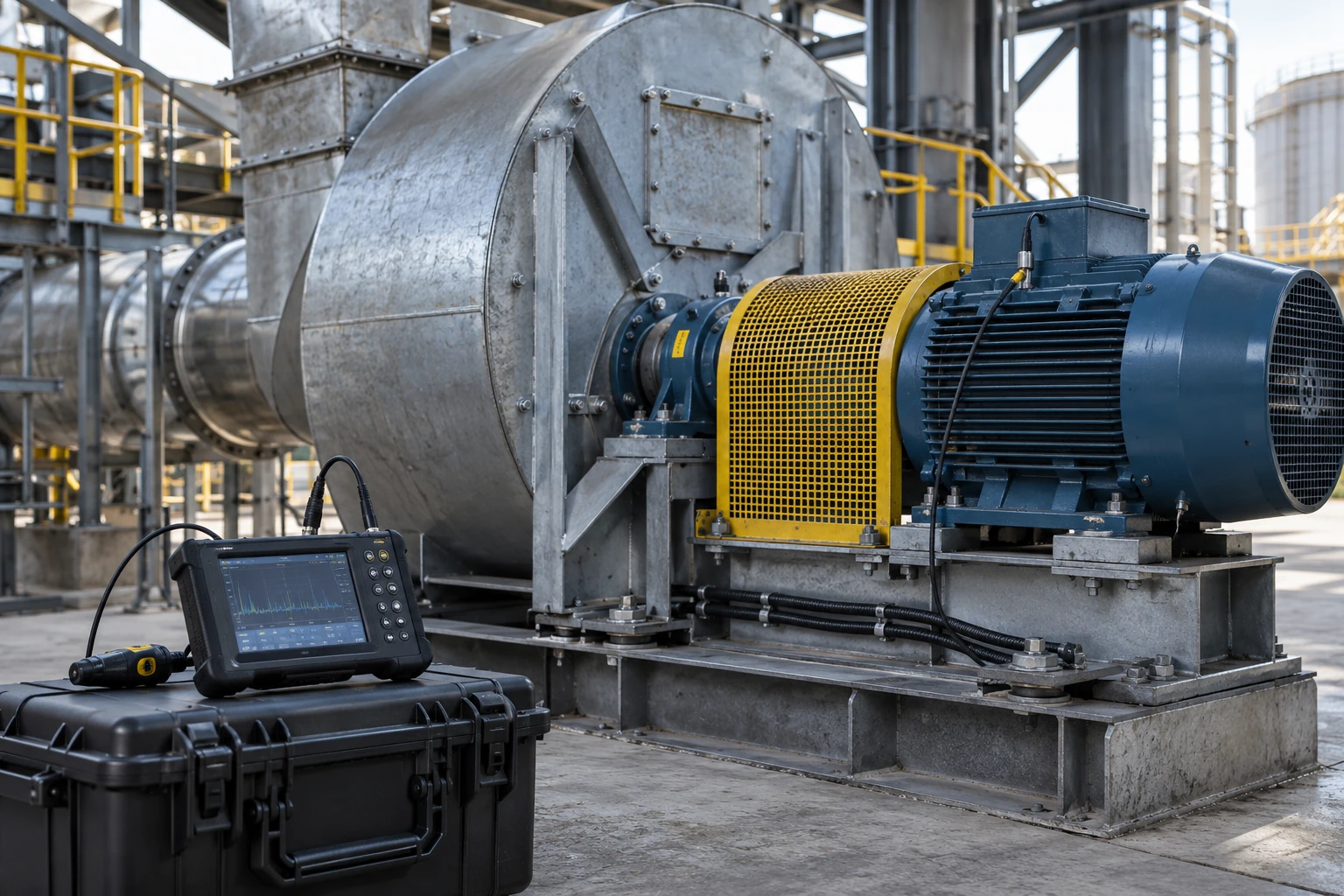
Illustrative industrial fan with vibration measurement equipment prepared nearby
ILLUSTRATIVE SERVICE IMAGE
TYPICAL ASSETS & APPLICATIONS

Fans · Impellers · Suitable rotating assemblies

PRS carries out field balancing on suitable equipment after checking that imbalance is a credible source of the vibration. A strong running-speed component can also be influenced by misalignment, looseness or resonance, so the initial assessment matters.

Technical scope & method

  • Suitability and baseline

    Assess rotor condition, fouling, mounting integrity, operating-speed stability and available correction locations. Record running-speed vibration amplitude and phase at appropriate bearings.

  • Balance response

    Use a controlled trial-mass response to determine the correction for the agreed single- or two-plane arrangement. Select the method to suit the rotor, access and machine behaviour.

  • Final verification

    Verify correction security and the final vibration condition at the agreed operating state. Compare against machine-specific acceptance criteria rather than a universal vibration target.

ILLUSTRATIVE APPLICATION

Persistent vibration on an extraction fan

A fan operating at 1,800 rpm has a prominent 30 Hz component. Deposits or rotor damage must be considered before balancing.

Assessment. Inspect condition and establish whether the amplitude and phase are sufficiently repeatable. Once the rotor is suitable, evaluate its trial-mass response and apply the calculated correction through the agreed work method.

Verification. Record final amplitude, phase and operating speed, and identify any remaining non-imbalance vibration.

What you receive

Initial and final measurements, relevant trial and correction records, correction locations, operating conditions and any residual concerns requiring separate investigation.

Discuss this service
09Motion AmplificationVisualise relative movement across machinery, supports and pipework to focus the investigation.
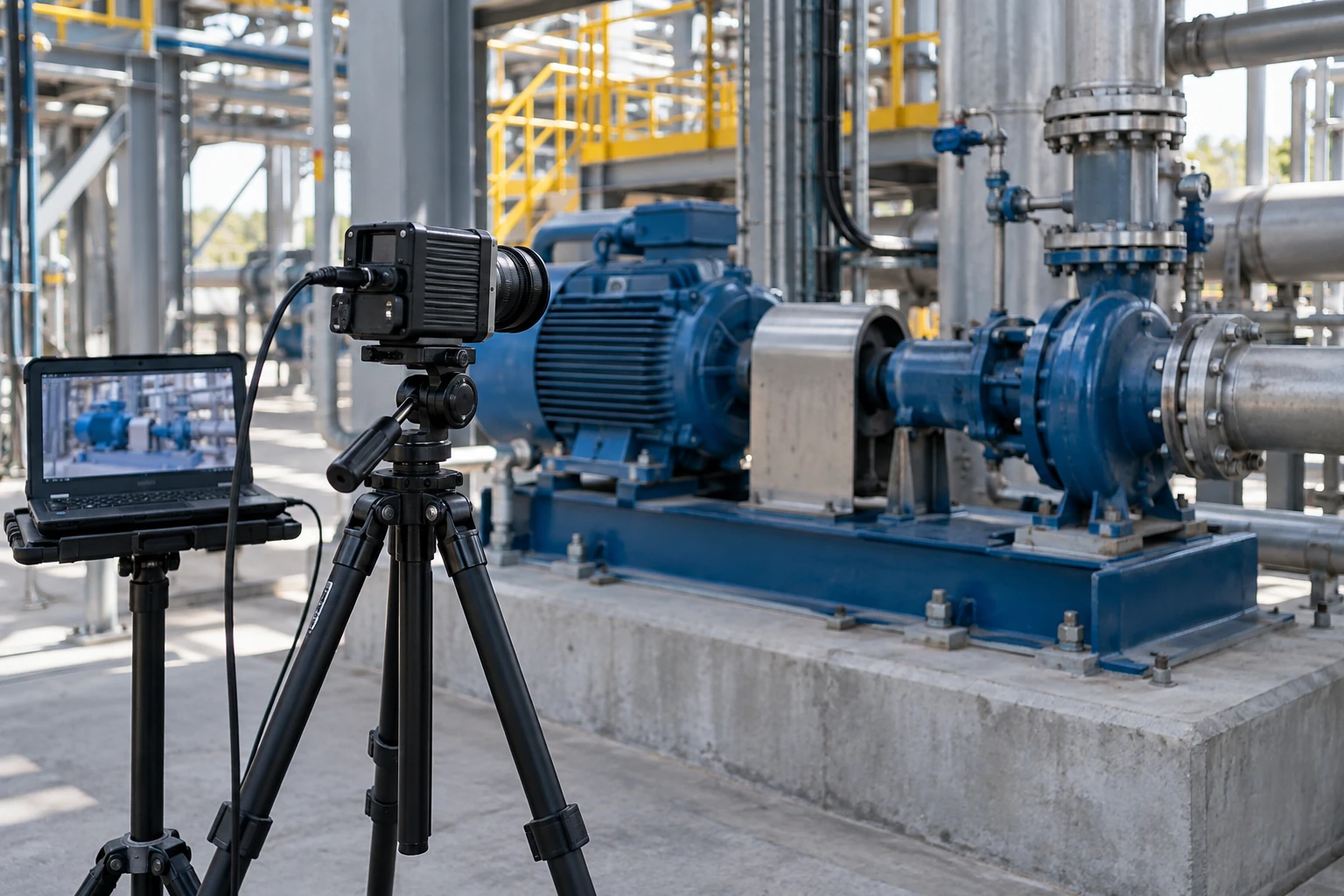
Illustrative motion-amplification camera and laptop observing a motor-pump baseplate
ILLUSTRATIVE SERVICE IMAGE
TYPICAL ASSETS & APPLICATIONS

Baseplates · Structures · Pipework · Machine supports

PRS uses video-based motion amplification to make small movements easier to interpret. It helps show how a machine and its supporting structure move together, complementing the point measurements used in conventional vibration analysis.

Technical scope & method

  • Capture quality

    Select a stable camera position, suitable view, lighting and capture settings for the frequency range of interest. Record machine speed and operating condition.

  • Movement assessment

    Review relative movement at machine feet, baseplates, supporting steelwork and connected pipework. Use selected frequency content where appropriate to separate different movement patterns.

  • Corroborating evidence

    Compare the visual behaviour with vibration measurements and inspection findings. Visible movement can direct a structural or resonance investigation but does not, alone, prove its cause.

ILLUSTRATIVE APPLICATION

A pump skid with recurring vibration

Alignment has been checked, yet the vibration pattern changes with operating speed.

Assessment. Observe the motor, pump, baseplate and adjacent supports in a common view. If the video indicates relative movement at a mounting interface, target that area for inspection and supporting vibration measurements before defining corrective work.

Verification. Repeat the observation and measurements after the agreed repair under comparable operating conditions.

What you receive

Selected video views with an explanation of the observed movement, relevant frequency context, supporting findings and recommended next checks. Amplified movement is a visual aid, not the unscaled physical motion.

Discuss this service
10Condition Monitoring Program SetupBuild repeatable routes, usable databases and a clear path from collection to maintenance action.
Illustrative analyst reviewing machinery spectra and trend data for a monitoring program
ILLUSTRATIVE SERVICE IMAGE
TYPICAL ASSETS & APPLICATIONS

New plants · Existing routes · Emerson databases

PRS establishes monitoring programs around asset criticality, failure modes and the maintenance team’s workflow. The objective is consistent evidence and timely action, with coverage and review frequency matched to the plant’s operating risk.

Technical scope & method

  • Asset hierarchy

    Verify equipment IDs, train configuration, speed, bearings, drive ratios and available history. Agree which assets need routine surveys, supplementary inspections or remote monitoring.

  • Route and database design

    Develop Emerson databases and collection routes with consistent point names, directions, units and acquisition settings. Define practical collection instructions and baseline requirements.

  • Governance and follow-up

    Agree severity categories, reporting frequency, defect ownership and review of overdue actions. Maintain configuration records when machines, operating duties or measurement points change.

ILLUSTRATIVE APPLICATION

One program across a milling operation

A plant has critical mill drives, process pumps and conveyor gearboxes, but its existing records use inconsistent equipment names.

Assessment. Reconcile the asset register first, then choose measurements around each machine’s likely failure modes. A fast motor and a slow gearbox output need appropriately different collection settings. Link each reported defect to a recognisable asset and an owner.

Verification. Review the first completed routes for missing points, unsuitable settings and inconsistent data before accepting the baseline.

What you receive

Asset and point register, configured database or routes, collection schedule, baseline report and an agreed defect-management process that the site can maintain.

Discuss this service
11Shutdown & Reliability SupportUse the shutdown window to complete precision work and establish a reliable return-to-service baseline.
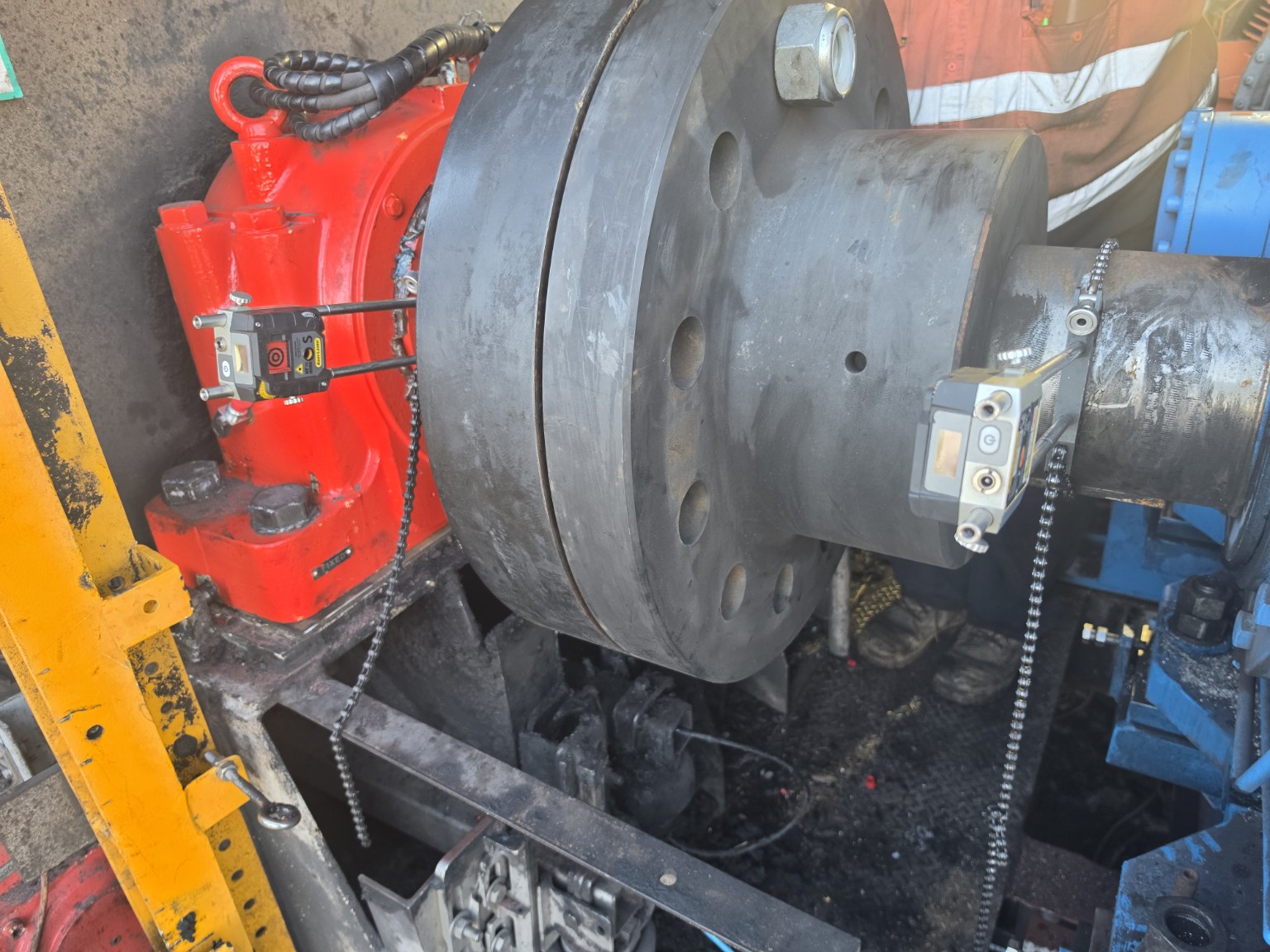
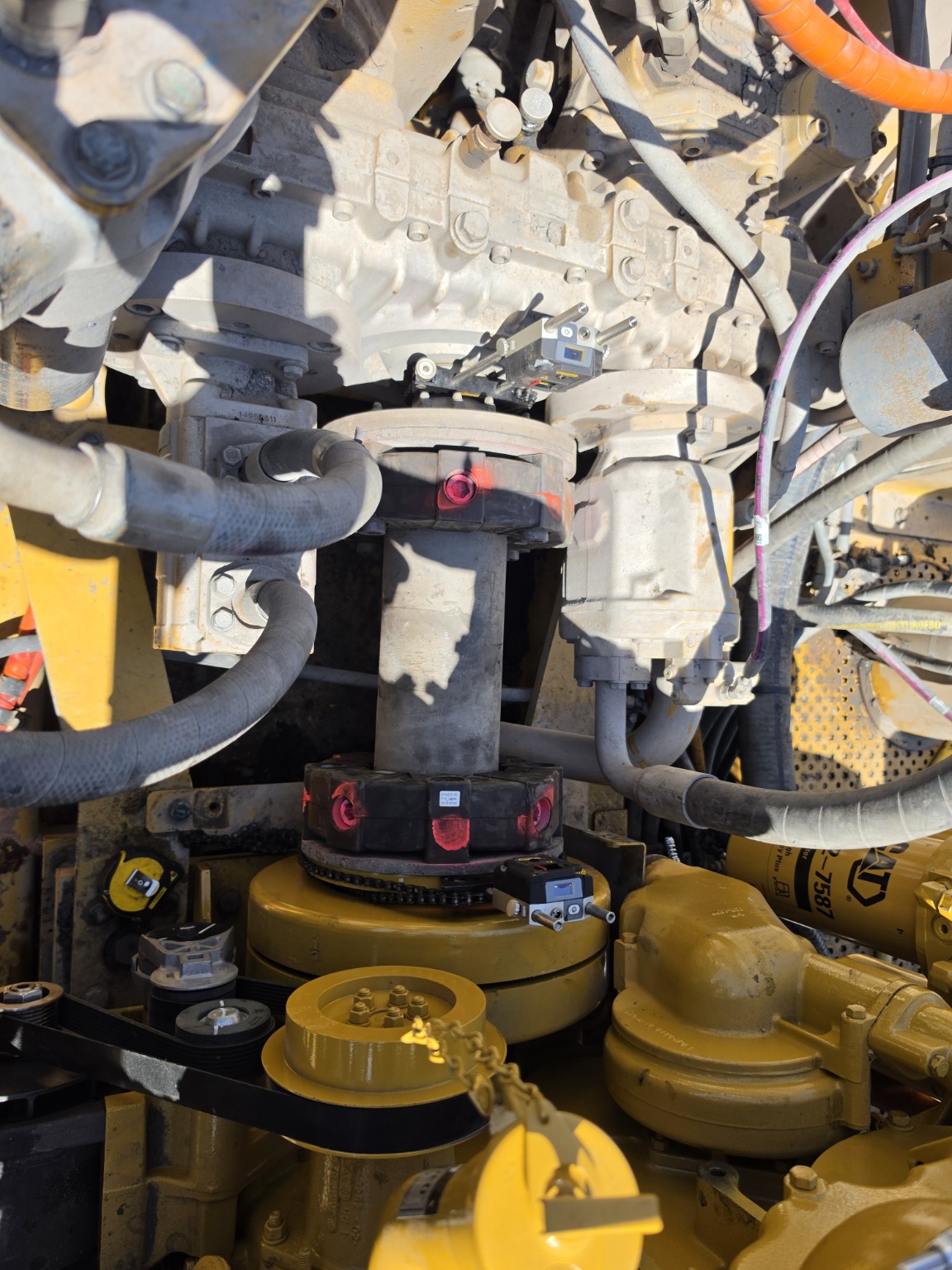
Field photograph of alignment equipment on a mobile plant drivetrain
FIELD PHOTOGRAPH · CHRIS SINCLAIR
TYPICAL ASSETS & APPLICATIONS

Planned outages · Equipment changeouts · Commissioning

PRS supports shutdown planning, mechanical work and equipment verification. Pre-shutdown findings help define the job; inspection and measurement records then connect the completed work to the condition observed during return to service.

Technical scope & method

  • Before the outage

    Review condition trends and open defects, identify priority assets and confirm the required parts, access, fitting scope and verification criteria with the maintenance team.

  • During the work

    Support inspections, component replacement and precision alignment. Plan remote-sensor installation for locations that become difficult to access once the plant is operating.

  • Return to service

    Complete agreed alignment checks and condition measurements. Capture actual speed and load, distinguish commissioning transients from persistent issues, and list outstanding work clearly.

ILLUSTRATIVE APPLICATION

A conveyor drive changeout during an outage

A motor and coupling replacement is scheduled on a production-critical conveyor drive.

Assessment. Use the pre-shutdown record to identify existing concerns. During the changeout, inspect mounting interfaces, complete the fitting work and record as-left alignment. Confirm any new monitoring channels before equipment returns to normal service.

Verification. Collect a comparable vibration baseline during the agreed operating window and review it with the site team before closing the condition-monitoring defect.

What you receive

Agreed work scope, inspection and alignment records, installation checks, post-maintenance findings and a handover list. Return-to-service authorisation remains within the site’s commissioning process.

Discuss this service
12Technical QA & ReportingMake the evidence, diagnostic confidence and required maintenance response clear.
Illustrative technical reviewer comparing vibration spectra and equipment trends
ILLUSTRATIVE SERVICE IMAGE
TYPICAL ASSETS & APPLICATIONS

Survey reports · Diagnostic reviews · Defect registers

PRS reviews condition-monitoring evidence and turns it into reports that maintenance teams can act on. The report connects the observed condition to an identifiable asset, explains the diagnostic reasoning and specifies how the finding should be followed up.

Technical scope & method

  • Data quality

    Check asset and point identity, units, speed, direction, collection settings and operating context. Identify missing or inconsistent data before making a comparison.

  • Technical interpretation

    Review spectra, waveforms, trends and supporting inspections. Separate observations from the suspected mechanism, state confidence and identify any measurements needed to resolve uncertainty.

  • Action and close-out

    Assign a maintenance priority using the agreed severity framework and asset consequence. State the recommended task, owner, follow-up requirement and evidence needed to close the defect.

ILLUSTRATIVE APPLICATION

Reviewing a suspected gearbox bearing fault

An overall vibration trend has risen, but the original report provides no operating-speed record or supporting spectrum.

Assessment. Check the raw measurements and equipment configuration. If the evidence cannot distinguish a bearing-related component from a speed or load effect, request a targeted repeat measurement rather than present the fault as confirmed.

Verification. Review the new evidence and any maintenance findings, update the assessment and retain a traceable record of the decision.

What you receive

Asset condition summary, annotated evidence, diagnostic rationale, prioritised recommendations and defect status. Recommendations are written as executable maintenance tasks with a defined recheck.

Discuss this service
13Motor Circuit AnalysisSpecialist third-party testing, coordinated by PRS and interpreted alongside the mechanical evidence.
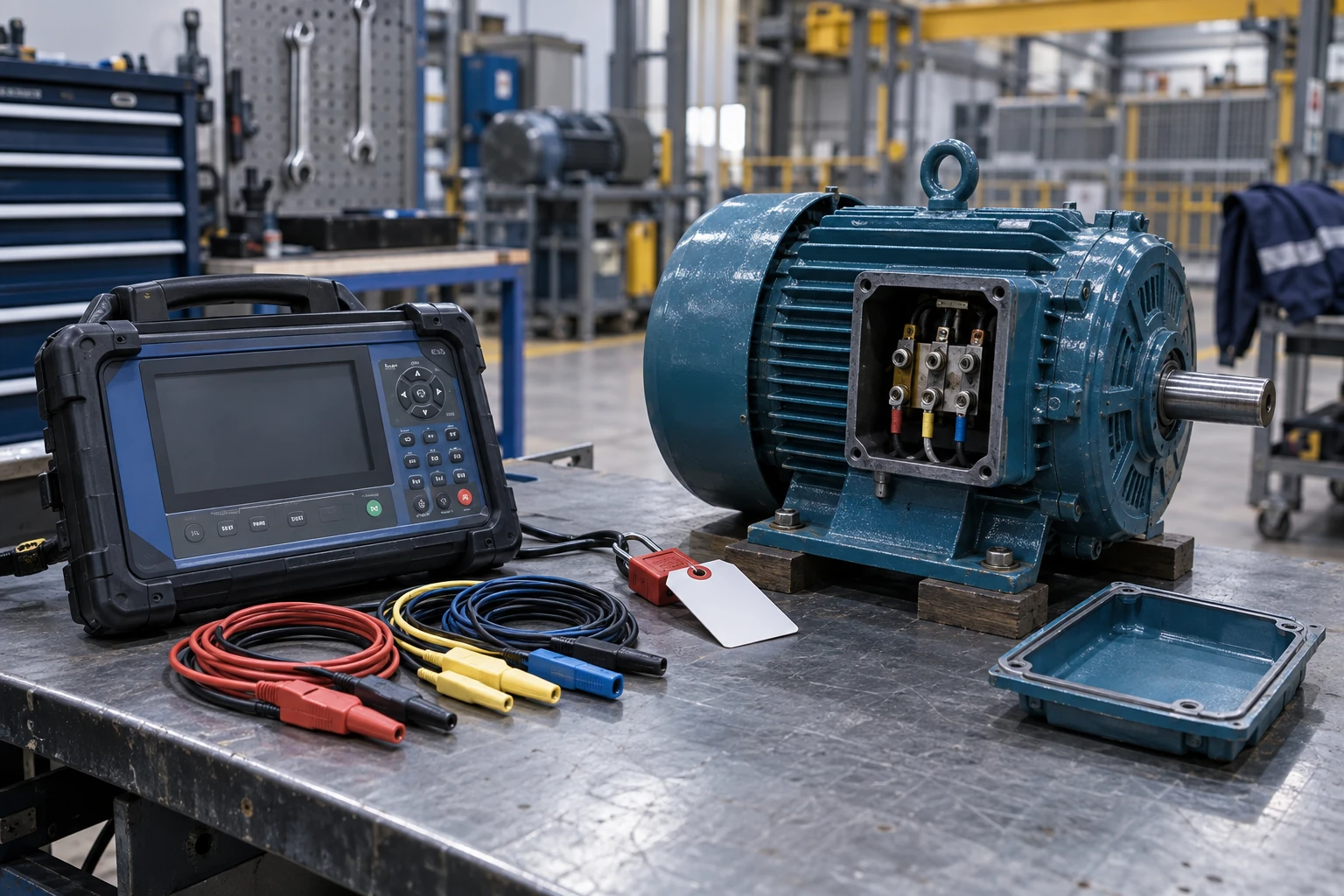
Illustrative isolated motor and disconnected test equipment prepared for specialist offline analysis
ILLUSTRATIVE SERVICE IMAGE
TYPICAL ASSETS & APPLICATIONS

Three-phase motors · Windings · Motor circuits

Motor Circuit Analysis is delivered by a specialist third-party provider and coordinated by PRS. Offline MCA assesses the electrical response of a de-energised motor circuit; its scope, test boundary and interpretation depend on the motor and selected instruments.

Technical scope & method

  • Define the test boundary

    Agree motor details, connection arrangement, whether cables are included and the available historical results. The specialist manages the test method under the site’s electrical isolation and access requirements.

  • Compare circuit response

    Depending on the agreed method, measurements can include resistance, inductance, impedance and phase angle. Additional insulation testing is separately defined as part of the specialist scope.

  • Integrate the findings

    Review circuit asymmetry or abnormal response with the provider and relate it to maintenance history and mechanical condition. Offline MCA is distinct from energised electrical signature analysis.

ILLUSTRATIVE APPLICATION

Assessment of a critical spare pump motor

A stored motor is being considered for installation after an extended period out of service.

Assessment. Agree a specialist test scope appropriate to the motor, review phase-to-phase results and relevant insulation findings, and resolve abnormal responses before the installation decision. PRS incorporates the electrical findings into the wider asset assessment.

Verification. Retain the specialist report and any follow-up test results as part of the motor’s maintenance record.

What you receive

Coordinated test scope, specialist findings, identified limitations and consolidated maintenance recommendations. Electrical testing is performed by the specialist provider, not represented as direct PRS test delivery.

Discuss this service

Application examples explain the assessment approach; they are not completed client projects or measured results. Service photographs include AI-created illustrations, labelled where used. PRS delivers the listed services directly, with Motor Circuit Analysis delivered through a specialist third-party provider.

03 / FROM FINDING TO ACTION

Technical reports.
Maintenance-ready decisions.

Clear evidence, a practical recommendation and a way to verify the result. Reporting is scoped to support your maintenance workflow.

01 / DEFINE

Start with the asset.

Confirm asset IDs, criticality, machine configuration, operating conditions and measurement locations.

02 / INVESTIGATE

Build the evidence.

Review repeatable measurements, relevant trends and supporting inspection findings.

03 / PRIORITISE

Make the next step clear.

State the finding, its significance, the recommended work and the agreed urgency.

04 / VERIFY

Close the loop.

Recheck after corrective work and update the equipment baseline and defect status.

YOUR AGREED REPORT CAN INCLUDE

Asset condition summary + Diagnostic evidence + Recommended actions + Defect tracking

04 / INDUSTRIAL APPLICATIONS

Built for demanding
operating environments.

Experience across the machinery and processes that keep production moving.

01

Mining & Heavy Mobile Equipment

Drill drivetrains, engine-driven equipment and critical mobile-plant auxiliaries. Support installation alignment, component changeouts and condition checks, with speed, duty and access recorded for each assessment.

Drivetrain alignment
02

Fixed Plant & Processing

Motors, pumps, fans, compressors and gearboxes. Investigate recurring vibration, thermal anomalies and lubrication concerns, then connect the findings to precision maintenance and a repeatable baseline.

Machinery diagnostics
03

Milling

One service offering for sugar milling and gold processing. Applications include mill drives, reduction gearboxes, conveyors, process and slurry pumps. Measurement settings account for drive ratios, low-speed components and changing process duty.

Lubrication & oil analysis
04

Ports & Bulk Materials Handling

Conveyor drives, transfer systems and accessible crane machinery. Combine targeted inspections with remote monitoring where access is restricted, interpreting trends alongside operating cycles and changing loads.

Remote condition monitoring

ABOUT PRS

Pacific roots.
Practical reliability.

Pacific Reliability Solutions brings technical capability and hands-on industrial experience to businesses across Australia and the Pacific.

We work alongside your maintenance team to understand equipment condition, investigate recurring problems and build monitoring programs that lead to useful action.

Meet our director →
01

People

Build capable teams and a shared understanding of equipment condition.

02

Plant

Identify developing faults and focus maintenance where it matters.

03

Performance

Turn inspection data into practical decisions and follow-up actions.

Refined portrait of Chris Sinclair, PRS director, wearing navy PRS workwear in a CHPP setting
Chris Sinclair · Director

05 / TECHNICAL LEADERSHIP

Field experience.
Technical depth.

Chris Sinclair

Director | Condition Monitoring & Reliability Specialist

Chris began his career in the sugar milling industry in Fiji, before moving into Australian mining and taking on responsibility for condition monitoring services across Queensland. His experience spans heavy mobile equipment, fixed plant, sugar mills, ports and bulk materials handling operations.

Throughout his career, Chris has worked with major condition monitoring service providers, developing technical teams and establishing condition monitoring programs for Tier 1 clients. His progression from hands-on field work into senior technical consulting brings together practical machinery knowledge, advanced diagnostics and team leadership.

His experience includes machinery fault investigations, precision shaft alignment, lubrication support, shutdown inspections and remote monitoring installations. He works closely with maintenance teams to translate technical findings into clear priorities and practical corrective actions.

Through PRS, Chris brings this experience back to the Pacific and across Australia—helping businesses develop capable teams, establish effective monitoring programs and improve the reliability of critical equipment.

Qualifications and certifications

  • Certificate III in Mechanical Engineering – Fitting and Machining
  • Vibration Analysis — Category IV
  • Shaft Alignment — Level II
  • Machine Lubricant Analyst — Level II (MLA II)
  • Machinery Lubrication Technician — Level I (MLT I)
  • Infrared Thermography — Level I
  • Motion Amplification — Level I

Currently completing

  • Machinery Lubrication Engineer — MLE
  • Certified Maintenance & Reliability Professional — CMRP

Pacific Roots. Reliability Ahead.

Speak with Chris →

06 / FIELD CASE STUDIES

Practical experience.
Technical application.

Selected examples from Chris Sinclair’s professional field experience. These examples relate to Chris’s prior employment and illustrate the experience he brings to PRS.

Laser alignment instruments on a mobile plant drivetrain
Pacific Reliability Solutions01 / DRILL RIG ALIGNMENT

New drill rig alignment

Chris’s field experience includes alignment verification on three new CAT drill rigs using Easy-Laser XT770 equipment before full production.

Explore Precision Laser Alignment →
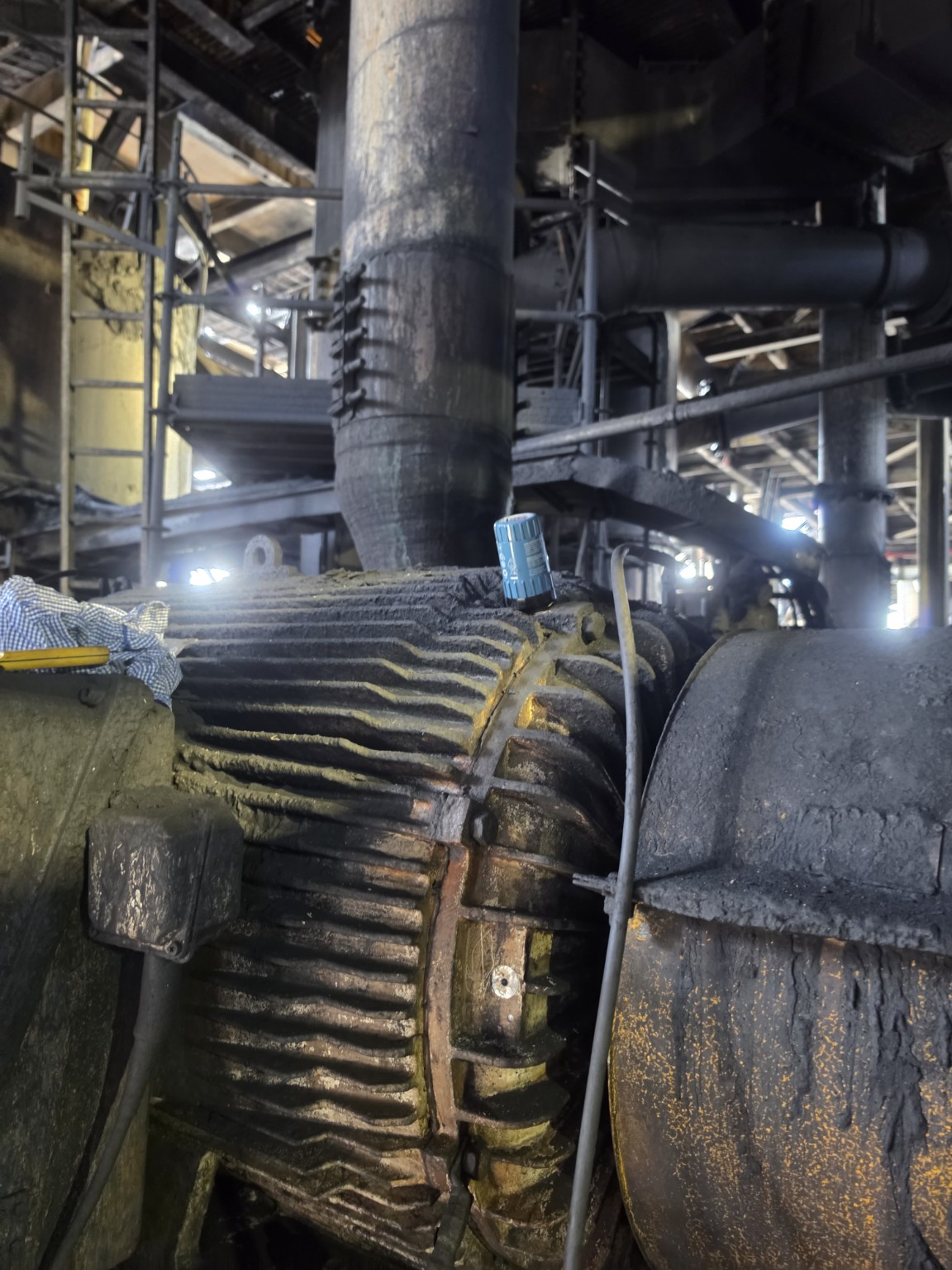
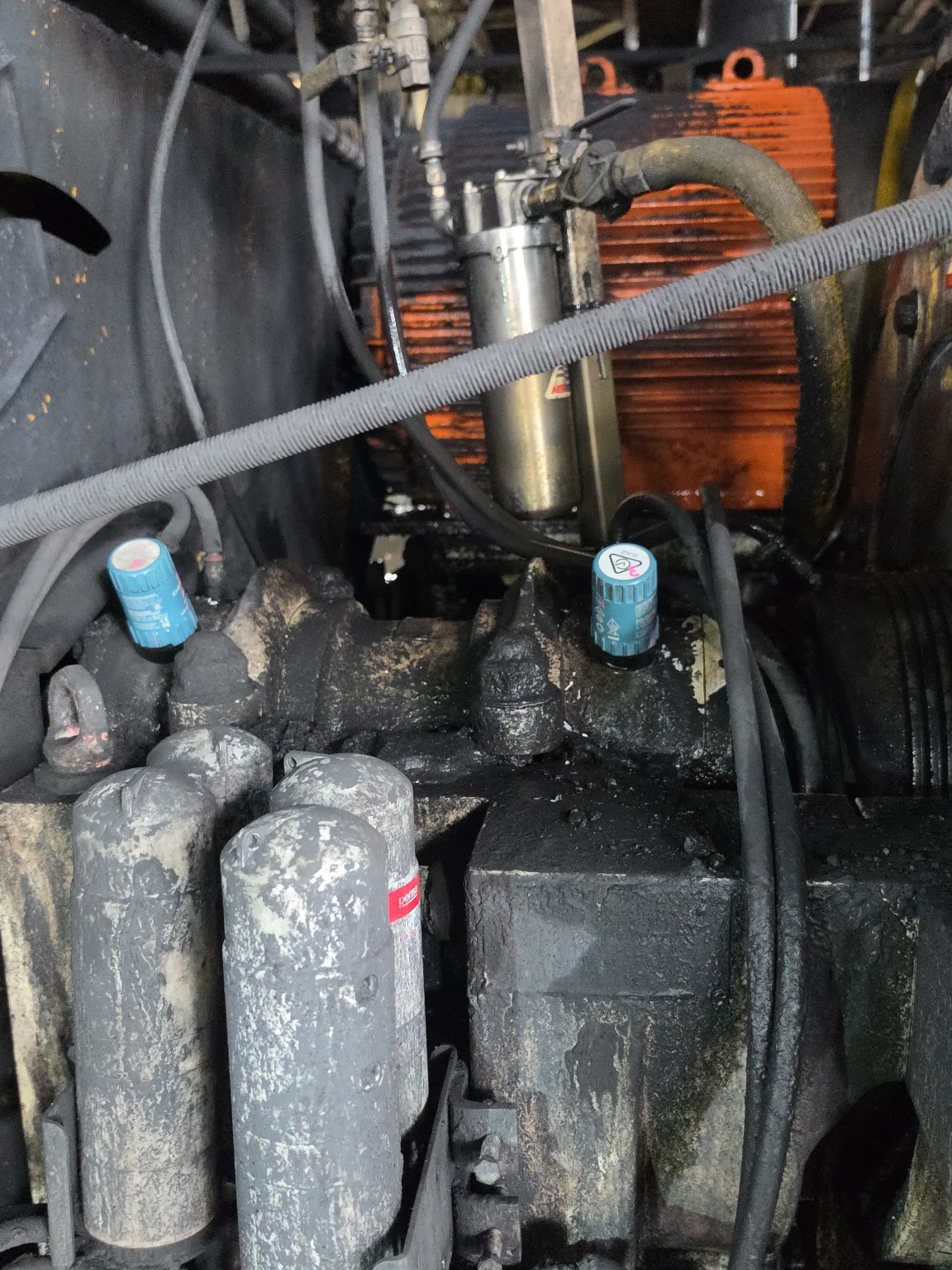
Condition monitoring sensors mounted on equipment
Pacific Reliability Solutions02 / REMOTE SENSOR INSTALLATION

Remote sensor installation

Chris’s shutdown experience includes installing remote vibration sensors across critical assets to strengthen monitoring and fault detection.

Explore Online & Wireless Monitoring →

Field photographs supplied by Chris Sinclair. Photographs illustrate equipment and working environments; they do not imply client endorsement.

LET’S TALK RELIABILITY

What does your equipment need?

Tell us about your assets, current concerns and timing. We’ll help define a practical scope.

Discuss Your Project →

LET’S TALK RELIABILITY

Start with your
critical assets.

A recurring fault. A plant-wide program. An upcoming shutdown. Tell us where you need support.

Condition Monitoring • Asset Reliability • Performance

Phone
+61 447 959 126

Email
enquiries@pacificreliabilitysolutions.com.au

Connect with Chris on LinkedIn ↗

ACN
701 856 957

CONTACT

Discuss your project.

Tell us your site, equipment and preferred timing. We’ll respond to discuss your scope.